

Koder House, Cochin Tower Rd, Fort Kochi, Kochi, Kerala 682001


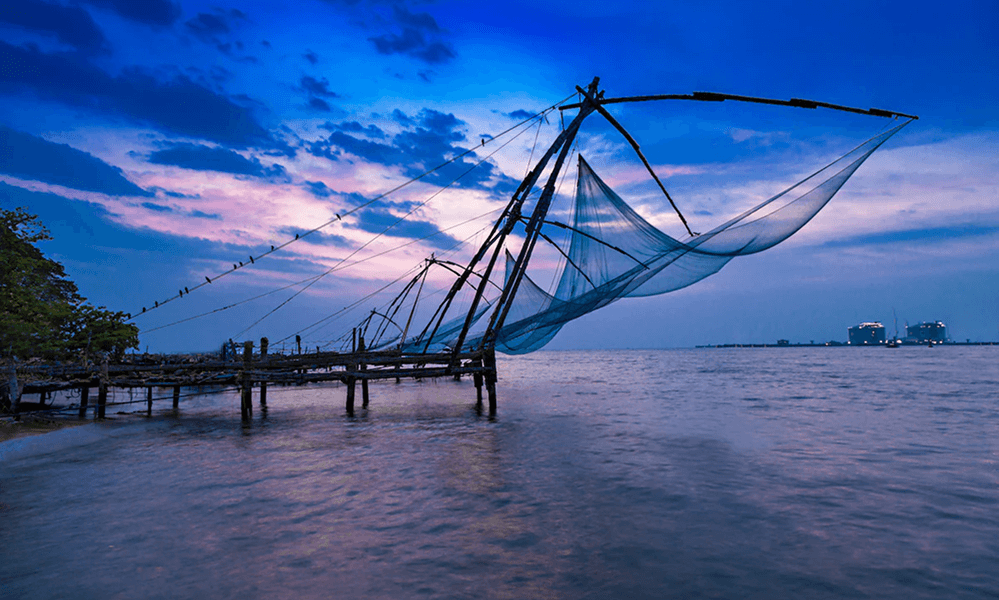

Fort Kochi does not reveal itself to the hurried. It is a town of layers, where a Portuguese church stands a short walk from a Dutch cemetery, where a sixteenth-century synagogue sits at the end of a lane scented with ginger and cardamom, and where Chinese fishing nets still rise and fall against the Arabian Sea as they have for centuries.
Two days is not enough to know it. But it is enough to fall under its spell, especially when you return each evening to a house that has watched it all unfold since 1808.
This is our guide to spending 48 unhurried hours in Fort Kochi, written from the verandas of Koder House.
Before You Arrive: Why Where You Stay Matters Here
In most cities, a hotel is a place to sleep between experiences. In Fort Kochi, it can be the experience itself.
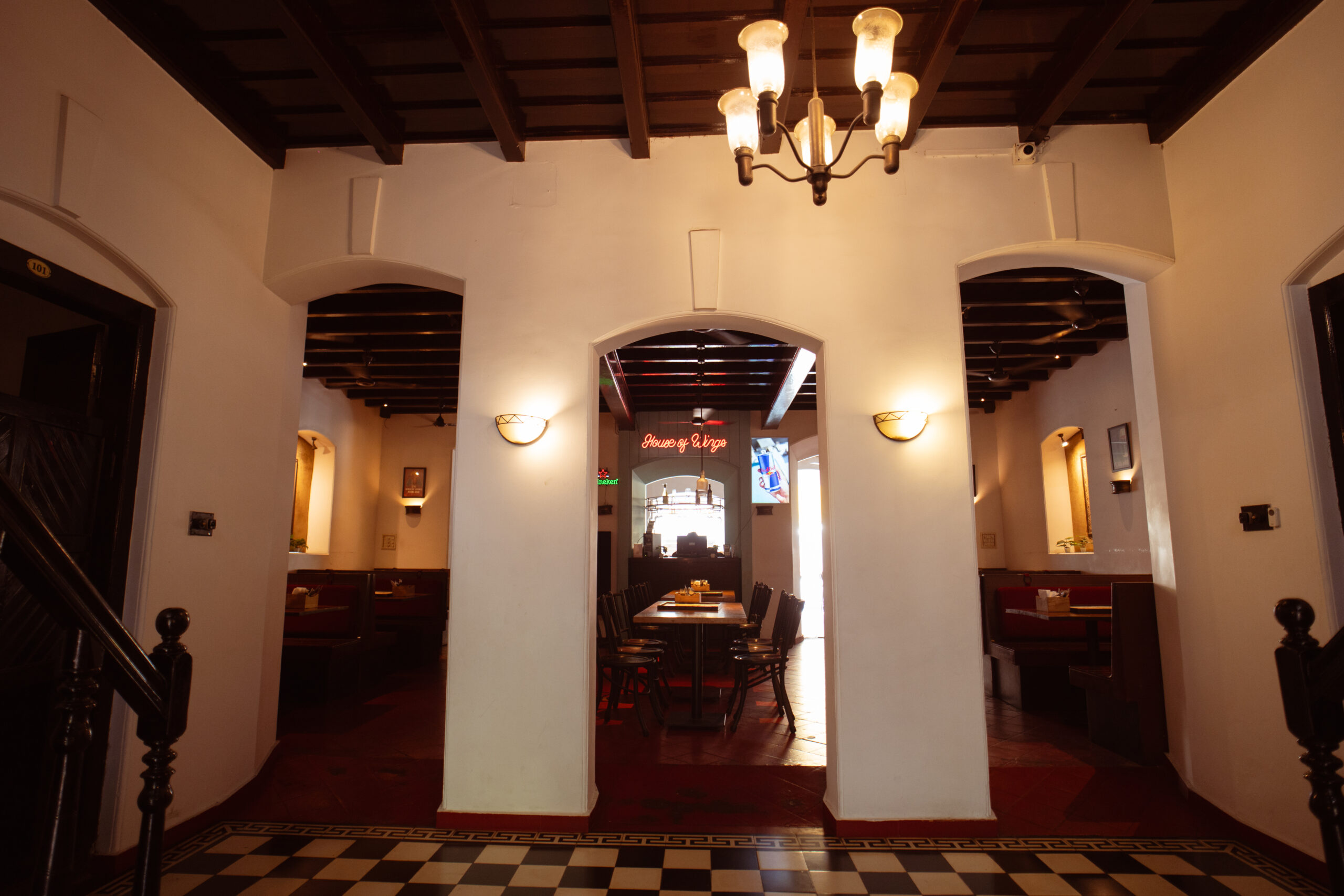
Koder House was built in 1808 and for generations was home to the Koder family, among the most prominent families of Cochin’s Jewish community. Its crimson façade on Tower Road has become one of the most recognisable sights in the old town. Inside, just six rooms carry the quiet grandeur of another century: high ceilings, Belgian glass windows that scatter coloured light across the floors in the late afternoon, and the particular stillness of rooms that have seen two hundred years of conversations.
Staying here places you within walking distance of nearly everything on this list. More importantly, it means you are not visiting Fort Kochi’s history. You are sleeping inside it.
Day One: The Waterfront, the Old Churches, and the Art of Arrival
Morning: The Nets at First Light
Rise early. The Chinese fishing nets along the waterfront are a short stroll from Koder House, and they are at their most beautiful just after dawn, when the light is soft and the fishermen are already at work. These great cantilevered structures of teak and bamboo are said to have arrived with traders from the court of Kublai Khan, and they are operated by teams of men working in rhythm with counterweights of stone.
Watch for a while. Then walk along the shore toward the fish market, where the morning’s catch is laid out on ice. If something catches your eye, the stalls nearby will cook it for you, simply, with pepper and salt.
Late Morning: A Walk Through Five Centuries
From the waterfront, wander into the heart of the old fort area.
St. Francis Church is among the oldest European churches in India. Vasco da Gama was first buried here in 1524, before his remains were returned to Portugal. The building is modest and cool inside, a quiet counterpoint to the weight of its history.
A few minutes away, Santa Cruz Cathedral Basilica offers something entirely different: pastel interiors, painted ceilings, and a soaring Gothic silhouette.
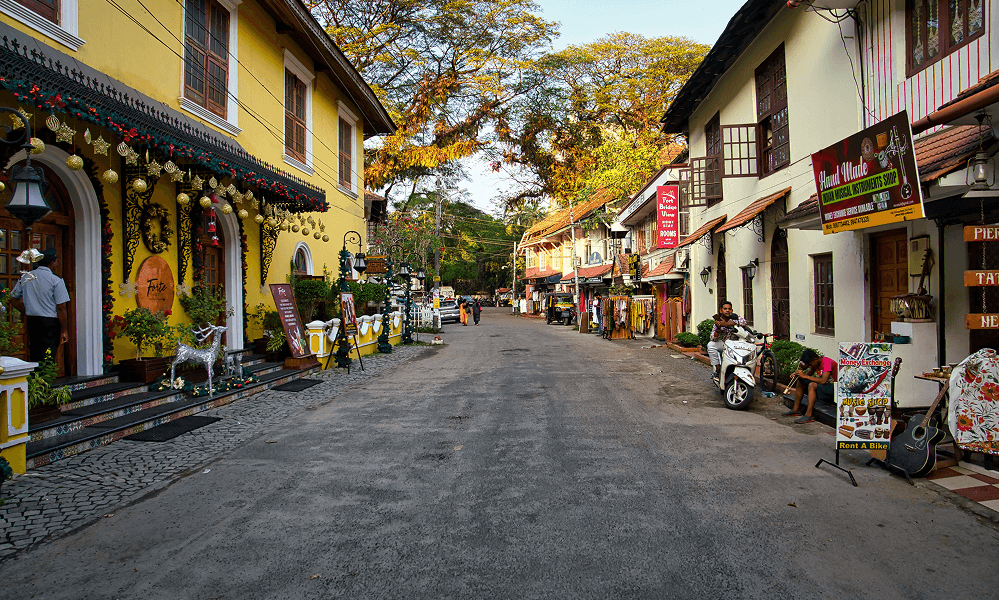
Continue past the Dutch Cemetery near the beach, then lose yourself in the lanes of Princess Street and Burgher Street, where colonial bungalows have been reborn as galleries, cafés, and studios.
Afternoon: Rest, as the Locals Do
Kerala’s afternoons are made for retreat. Return to Koder House, draw the shutters, and let the heat pass. This is when the Belgian glass is at its most beautiful, casting shifting colours across the room as the sun moves west.
Evening: Kathakali
Few art forms are as extraordinary to witness up close as Kathakali, Kerala’s classical dance drama. At the Kerala Kathakali Centre, arrive early to watch the performers apply their elaborate makeup, a meditative ritual that can take over an hour. The performance that follows, told entirely through gesture, eye movement, and percussion, is unlike anything you will see elsewhere in the world.
Afterwards, dine on Kerala classics: karimeen pollichathu (pearl spot fish cooked in banana leaf), appam with a delicate coconut stew, or a fiery Malabar fish curry. Walk home under the rain trees.
Day Two: Spice, Scripture, and the Sea at Dusk
Morning: Mattancherry Palace
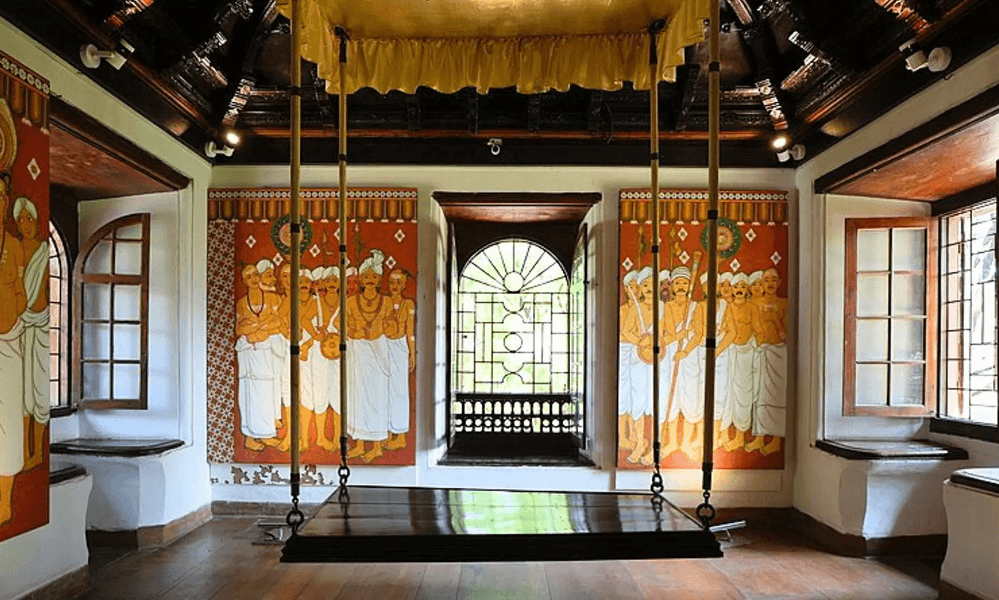
Take a short auto-rickshaw ride to Mattancherry. The Mattancherry Palace, often called the Dutch Palace, was built by the Portuguese in the sixteenth century and presented to the Raja of Kochi. Its greatest treasures are its murals: vast, intricate scenes from the Ramayana painted in rich ochres and greens, among the finest examples of Kerala temple art that survive today.
Late Morning: The Paradesi Synagogue and Jew Town
A few steps away lies the heart of the story that Koder House belongs to.
The Paradesi Synagogue, built in 1568, is the oldest active synagogue in the Commonwealth. Step inside and look down: the floor is laid with hand-painted blue-and-white tiles, no two exactly alike. Look up, and chandeliers of glass hang from the ceiling. It is a small room, but it holds centuries of devotion, migration, and survival.
The surrounding streets of Jew Town tell the rest of the story. The Cochin Jewish community, whose presence on this coast stretches back centuries, once filled these homes and warehouses. Today, very few remain. Spending the night at Koder House, one of the great family homes of this community, gives the visit a resonance that few travellers experience.
A note on timing: the synagogue is closed on Fridays, Saturdays, and Jewish holidays, so plan your two days accordingly.
Afternoon: The Spice Lanes
Linger in the old spice warehouses along the Mattancherry waterfront, where pepper, cardamom, ginger, and turmeric have been traded for longer than Europe has known their names. This was the reason the Portuguese, the Dutch, and the British came. Buy a little to take home. It will never taste quite the same anywhere else.
Browse the antique shops on your way back, where carved doors, temple lamps, and old apothecary jars wait for a second life.
Evening: Sunset on the Water
For your final evening, return to the sea. Take a boat out onto the harbour as the sun drops behind the nets, or simply walk the Fort Kochi beach promenade as the town comes out to meet the evening breeze: families, fishermen, couples, vendors selling roasted peanuts and cut mango with chilli.
Then come home to Koder House for a final quiet evening. Sit by the window. Listen to the town settle. Consider how many others, across two centuries, have done exactly the same.
If You Have a Little Longer
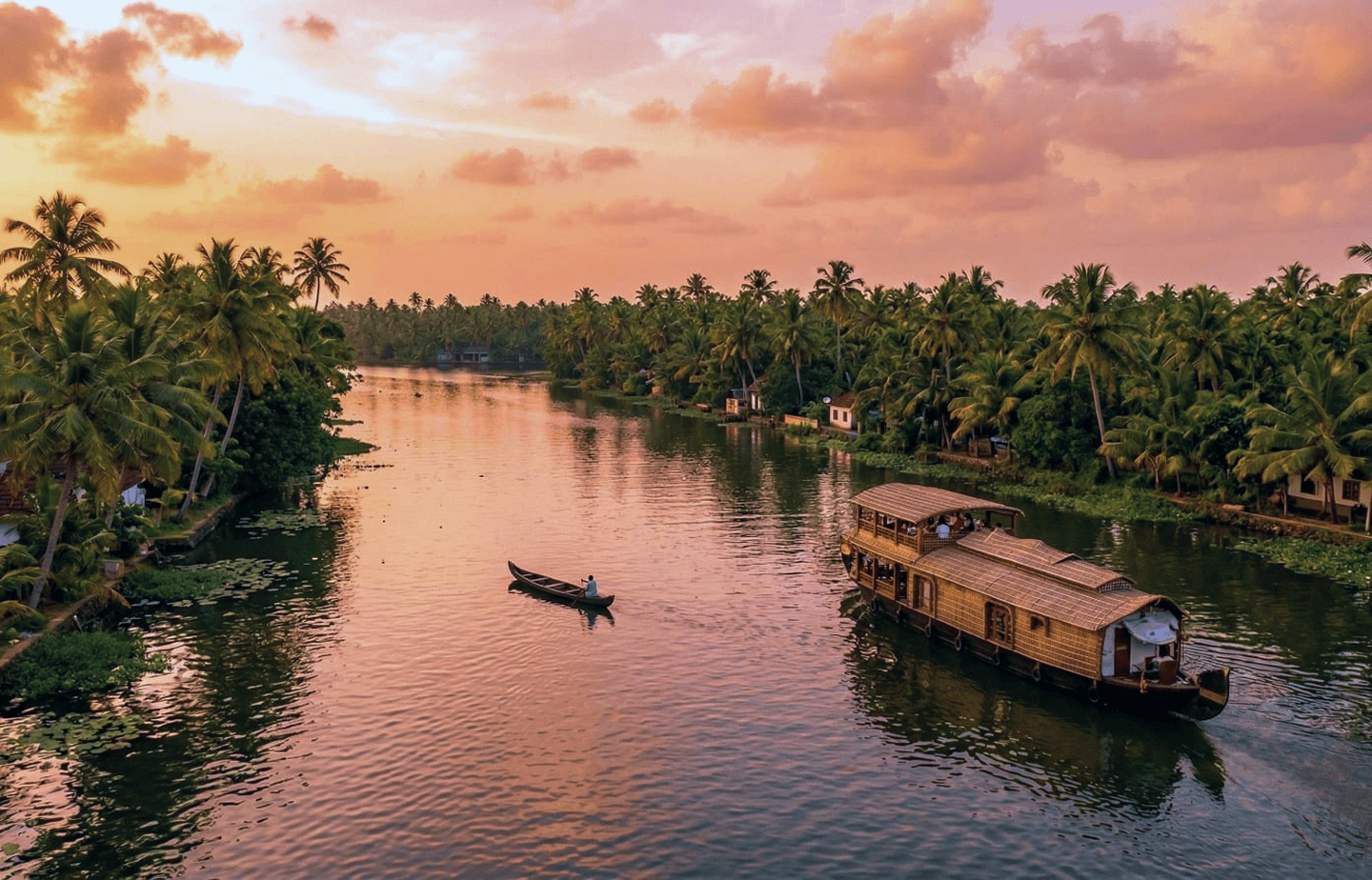
Two days will leave you wanting more. With a third, consider a journey into Kerala’s backwaters, a morning at the Indo-Portuguese Museum, or simply a slower repeat of everything above. Fort Kochi rewards return visits more than almost anywhere we know.
Plan Your Stay
Koder House has just six rooms, and they are often reserved well in advance, particularly between November and March.
Book directly at www.koderhouse.com or call +91 892 141 1584.
Koder House, Tower Road, Fort Kochi, Kerala.
